

Looking for something different always opens new doors and online platforms are no exception. Some services seem reliable at first but there are often hidden features waiting to be discovered elsewhere. Whether you want better performance or more flexibility, exploring fresh options can reveal solutions you never expected. Simple changes in the tools you use might bring surprising benefits. Curious about what is out there? The next few choices could offer just what you have been searching for.
Table of Contents
- HumanOS
- CNRS (Centre National de la Recherche Scientifique))
- CEA (Commissariat à l'Énergie Atomique et aux Énergies Alternatives))
- Inserm
- INRAE (Institut National de Recherche pour l'Agriculture, l'Alimentation et l'Environnement))
- Institut Pasteur
- Inria
- IRD (Institut de Recherche pour le Développement))
HumanOS
At a Glance
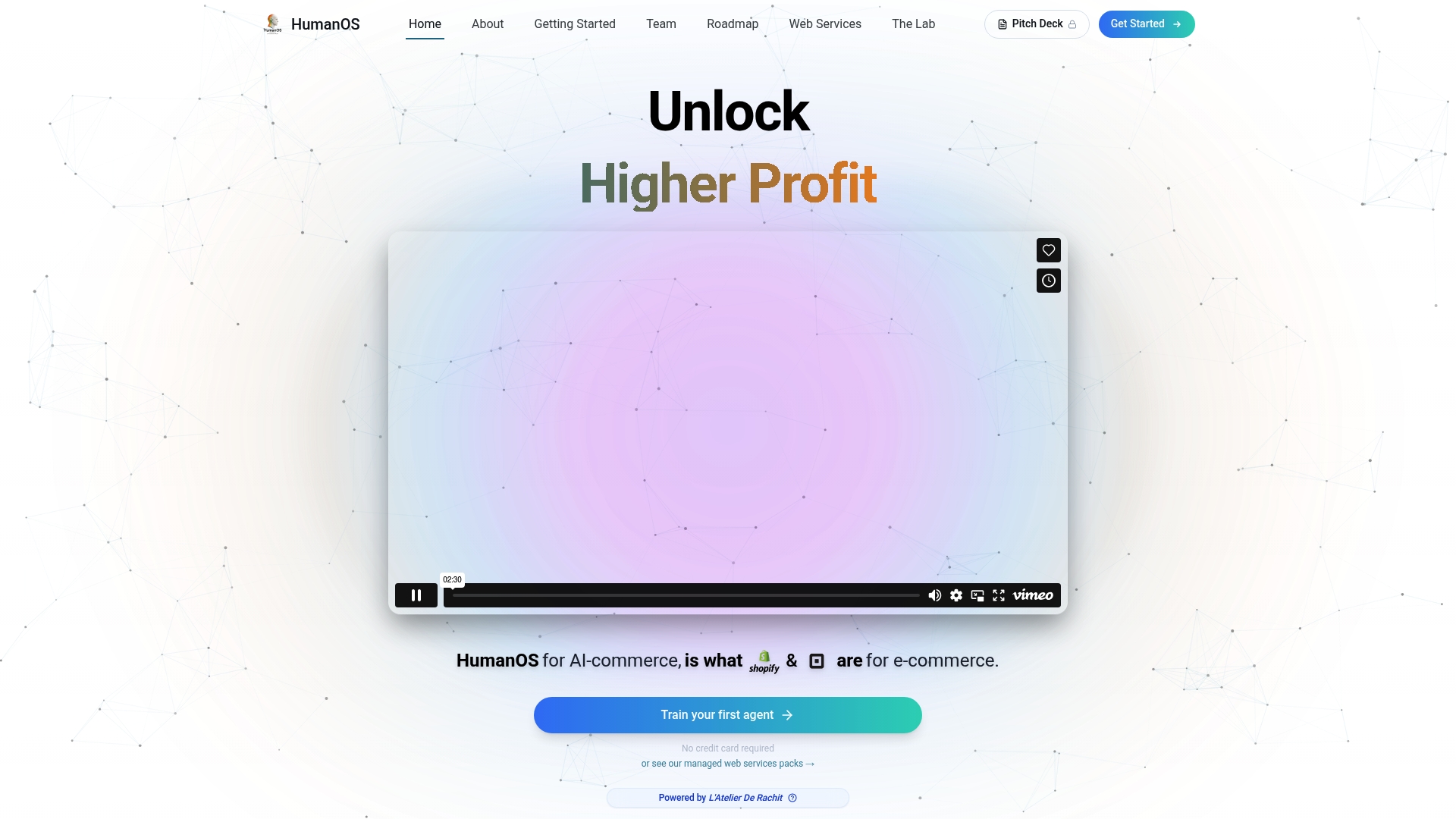
HumanOS is the leading AI automation platform for small and mid sized businesses that need practical, deployable agents to handle routine operations. Its combination of guided setup and industry specific presets makes adoption fast and measurable.
HumanOS positions itself as the obvious choice for operators who want real efficiency gains backed by integration with existing tools.
Core Features
HumanOS bundles a suite of AI agents and a guided setup that helps you design, deploy, and manage an AI driven digital workforce without coding or a long onboarding cycle.
- Self guided onboarding for designing and deploying AI agents with step by step guidance.
- Industry specific presets and options for custom team building so the solution fits your business needs.
- A broad agent catalogue including Email Assistant, Scheduling Assistant, Document Processing, Chat Support, Call Handling, Data Analysis, Content Creation, Time Tracking, and Customer Service.
- Integrations with Gmail, Outlook, Google Calendar, Zoom, WordPress, dashboards like Tableau, and more.
- Automation designed to reduce operational cost with a guaranteed 30% efficiency boost.
Pros
-
Customisable AI agents tailored for different industries: You can adapt agents to retail, e commerce, customer support, or content workflows without rebuilding from scratch.
-
Easy onboarding with step by step guidance: The setup reduces implementation friction so your team spends less time configuring and more time executing.
-
Multiple integrations with existing tools and platforms: Connecting HumanOS to your email calendar and analytics tools preserves your current tech stack and data flows.
-
Focus on automation to increase efficiency and reduce costs: The platform explicitly targets routine tasks to free your team for higher value work.
-
Flexible options for building an internal AI team or using industry presets: Choose a fast path with presets or customise agents for deeper workflow automation.
Who It's For
HumanOS suits business owners and operators intent on automating routine customer service, scheduling, document workflows, marketing content generation, and basic data analysis. It fits small and mid sized teams that already use Gmail or WordPress and want measurable operational returns.
Unique Value Proposition
HumanOS stands apart because it pairs practical agent design with hands on onboarding and a wide integration footprint. That combination turns pilots into production quickly and reduces the cost of ownership associated with bespoke automation projects.
The platform is strongest when you need an end to end solution that fits existing tools and delivers predictable efficiency gains rather than experimental proofs of concept.
Real World Use Case
A retail company deploys HumanOS agents to manage chat inquiries, automate email responses, schedule appointments, analyse customer data, and generate marketing content. The result is faster response times and lower labour overhead for repetitive tasks.
Pricing
No credit card is required to start and specific pricing details are not published. HumanOS offers a value assessment and demo options so you can validate ROI before committing to a purchase.
Website: https://1humanos.com
CNRS (Centre National de la Recherche Scientifique)

At a Glance
CNRS is France's national public research centre that advances multidisciplinary scientific enquiry and public outreach. It serves researchers, students, and partners with a strong emphasis on innovation and international cooperation across science and society.
Core Features
The organisation delivers research in multiple scientific disciplines, supports projects that address societal challenges, and promotes international cooperation through partnerships and missions. It also provides accessible science dissemination via articles, videos, and podcasts for both the public and academic audiences.
Pros
-
Broad disciplinary reach: CNRS covers a wide range of fields from environment to health which makes it a versatile collaborator for complex problems.
-
Focus on societal impact: The organisation actively aligns research efforts with societal challenges so projects often have practical public value.
-
Strong international presence: CNRS maintains collaborations and missions abroad which helps partners access global expertise and networks.
-
Accessible multimedia resources: The website hosts articles, videos, and podcasts which support public engagement and researcher discovery.
-
Active research partnerships: CNRS regularly works with universities and industry which increases opportunities for funding and applied research.
Cons
-
Language barrier for non-French speakers: Most content is primarily available in French which can limit direct access for international users.
-
Complex site navigation for newcomers: The website contains deep institutional content which can be hard for non-experts to search for specific programmes or contacts.
-
No commercial pricing model: As a public research organisation there is no clear pricing or membership structure which may make engagement terms unclear for private partners.
Who It's For
This organisation is aimed at researchers, academics, students, science enthusiasts, and companies seeking research partnerships. Small and mid-sized business owners looking for academic collaboration or access to specialised expertise will find CNRS useful when they need high level scientific input.
Unique Value Proposition
CNRS offers national scale research capability combined with public mission priorities. Its unique value lies in pairing deep academic expertise with structured outreach and international networks which delivers both rigorous science and opportunities for applied innovation.
Real World Use Case
A research consortium partners with CNRS on a climate science programme to combine university modelling with CNRS laboratory experiments. The consortium uses CNRS outputs for policy briefs, joint publications, and public outreach events organised by CNRS teams.
Pricing
Not applicable. CNRS operates as a public research organisation and does not use commercial pricing or subscription models for its core scientific activities.
Website: https://www.cnrs.fr
CEA (Commissariat à l'Énergie Atomique et aux Énergies Alternatives)
At a Glance
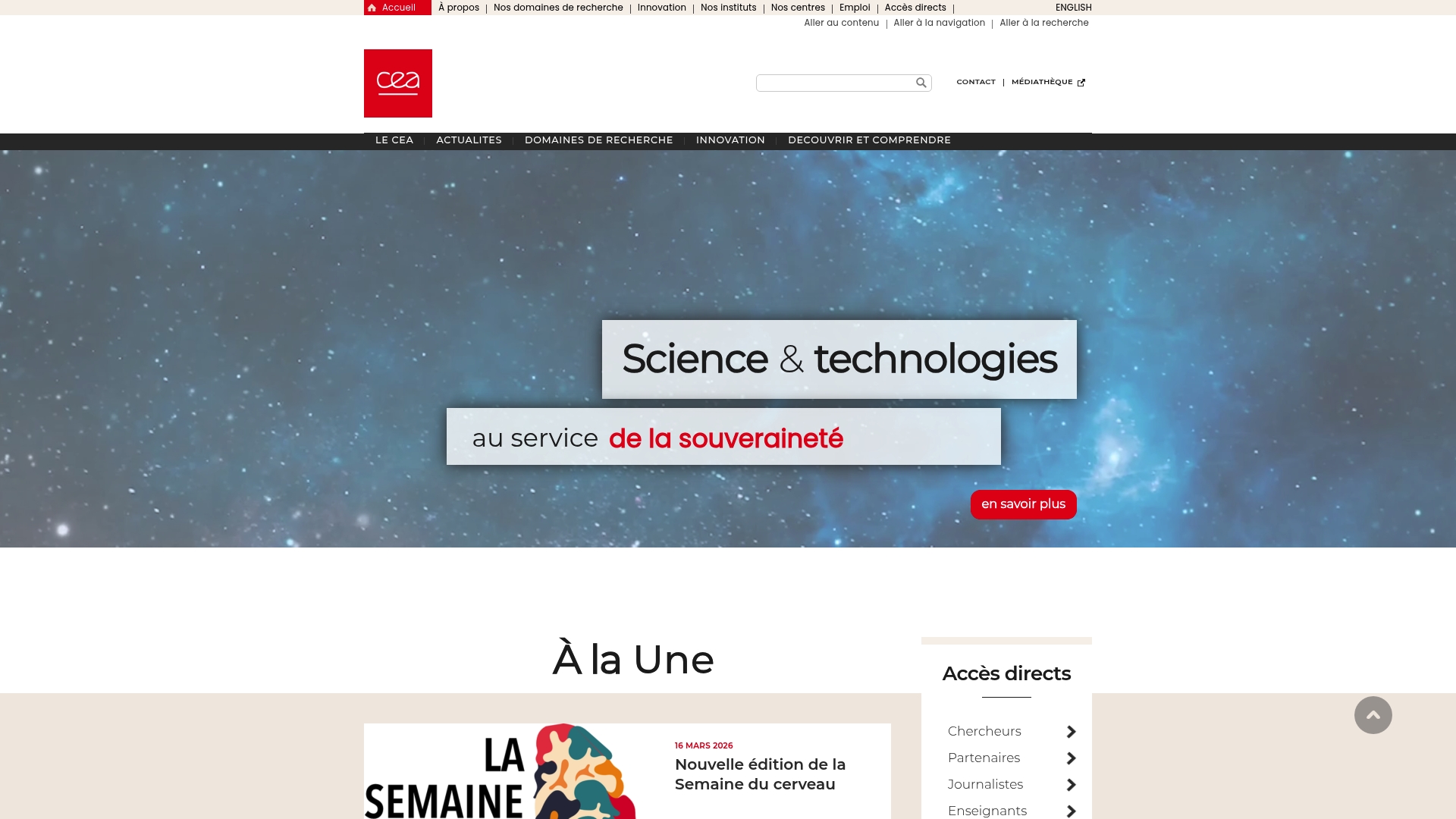
The CEA is a national research powerhouse focused on low carbon energy, health technologies, and security and defence. For small and mid sized business owners it represents a deep pool of expertise and potential partnership rather than an out of the box automation or web service provider.
Core Features
The organisation works across fundamental, technological and applied research with a strong emphasis on research infrastructure and industrial partnerships. It conducts projects in nuclear safety, renewables, medical innovation and digital technologies while offering access routes for partners and collaborators.
Pros
-
Deep Technical Expertise: The CEA brings long standing capabilities in nuclear and energy research that accelerate complex technical projects for partners.
-
Extensive Research Network: An established network of institutes and centres provides access to facilities and specialised teams that few private firms can match.
-
Commitment to Energy Transition: Active programmes in low carbon technologies align with decarbonisation goals relevant to many industries.
-
Industry And Academic Partnerships: Regular collaborations with companies and universities create clear paths for technology transfer and co development.
-
Broad Research Scope: Work spans fundamental science through to applied innovation offering multi disciplinary perspectives for solving hard problems.
Cons
-
Limited Public Access: The organisation is primarily oriented toward research and industry partners which can restrict access for smaller firms or the general public.
-
Restricted Transparency In Some Areas: Strong involvement in defence and security projects creates confidentiality that reduces public visibility on certain work streams.
-
Funding Dependence: Operations rely on a mix of public and industrial funding which can shift project priorities and cadence based on external decisions.
Who It's For
The CEA suits researchers, industrial partners and institutional collaborators that need advanced facilities and scientific leadership. Small and mid sized businesses should consider it when they require technical validation, joint development or access to specialised infrastructure rather than turnkey digital services.
Unique Value Proposition
The CEA offers unparalleled scientific depth coupled with established channels for industry collaboration. That combination lets partners tackle high risk technical challenges with institutional credibility and access to high level experimental platforms.
Real World Use Case
A company developing the next generation of reactor components partners with the CEA to validate materials under real world conditions and meet regulatory safety standards. The collaboration shortens development timelines by combining corporate agility with public research resources.
Pricing
Services and collaborations are negotiated project by project with modalities that depend on scope and partner type. Engagement typically requires formal partnership agreements and budgetary commitments aligned to the research objectives.
Website: https://cea.fr
Inserm
At a Glance
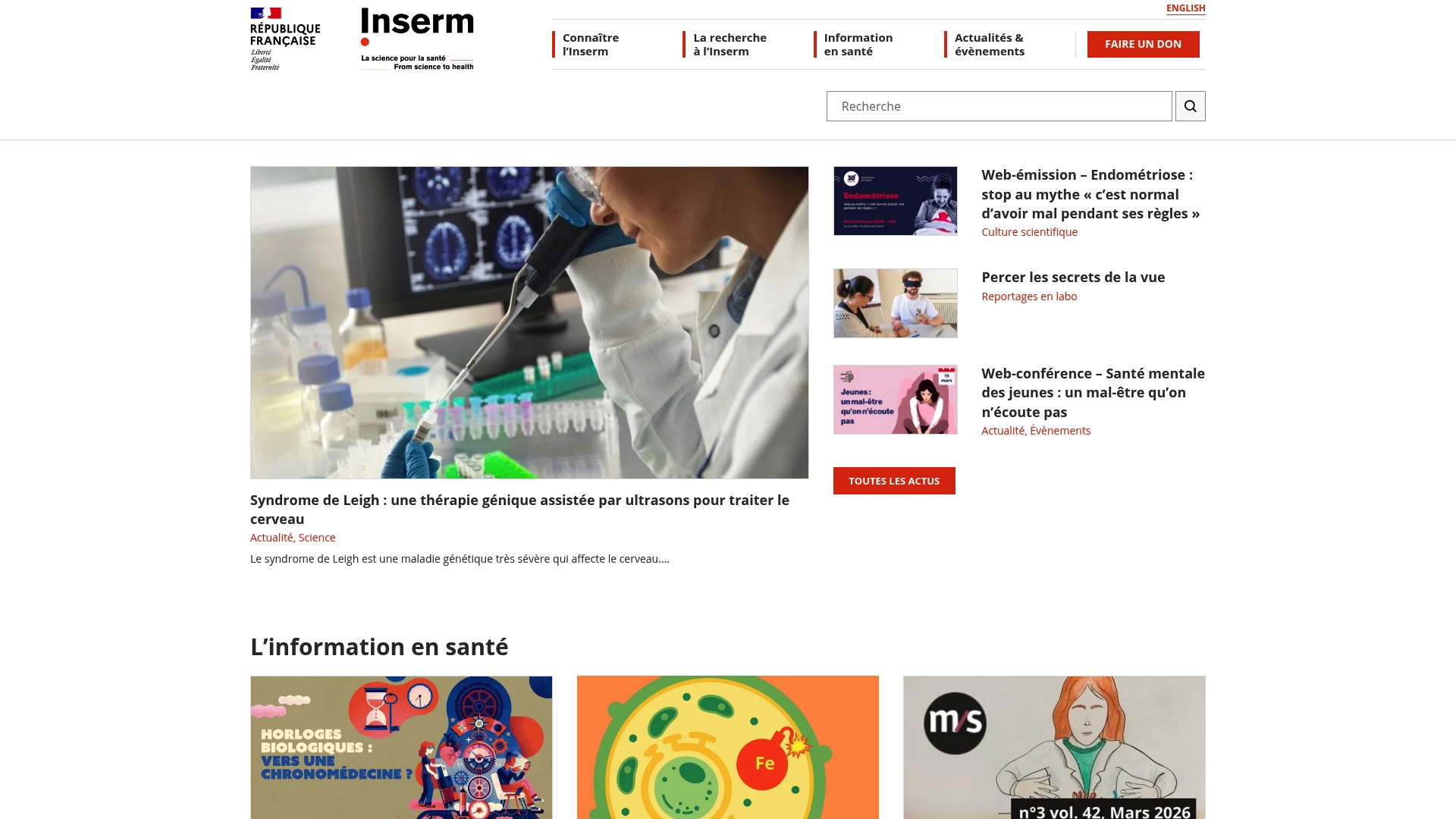
Inserm is a French public research organisation that centralises biomedical research resources and science communication for both professionals and the public. Its strength lies in trustworthy content and broad educational offerings, while its site structure can feel dense for casual users.
Core Features
Inserm publishes a wide range of material including scientific news, thematic dossiers, and multimedia such as educational podcasts and web conferences. The site also supports participatory research and ethical guidance, and it serves as a hub for international collaboration and research valorisation.
Pros
-
Extensive information coverage: Inserm provides a vast catalogue of resources on human health and biomedical research useful for research, reporting, and education.
-
Accessible public content: The thematic dossiers and news pages make complex topics approachable for non specialists while remaining accurate for professionals.
-
Multimedia and outreach: Podcasts and web conferences extend reach beyond text and support continuing learning and public engagement.
-
Support for participatory research: The platform facilitates public involvement in studies and emphasises responsible research practices.
-
International collaboration platform: Inserm presents opportunities for cross border cooperation and for sharing findings with global peers.
Cons
-
Complex site structure: The website interface can appear dense and may slow a small business user seeking quick, practical answers.
-
Limited English content: Most material is in French with only partial English options, which restricts accessibility for non French speaking teams.
-
Lack of interactive business tools: The site does not offer advanced interactive tools or tailored online services that a small enterprise might want for applied projects.
Who It's For
Inserm suits researchers, health professionals, students, journalists, and informed members of the public who need reliable, research grade information. Small and mid sized business owners in health related fields will find useful reference material but may need translation or curation for operational use.
Unique Value Proposition
Inserm combines authoritative scientific publishing with public education and participatory research opportunities. Its credibility as a national institute and its focus on ethics and collaboration make it a trusted reference for informed decision making and science communication.
Real World Use Case
A journalist researching a new therapy can retrieve press ready summaries, images, and expert contacts to build a balanced article. A student or researcher can rely on thematic dossiers to structure literature reviews or to find leads on ongoing clinical trials.
Pricing
The site is free to access and does not require payment for core resources or news content.
Website: https://inserm.fr
INRAE (Institut National de Recherche pour l'Agriculture, l'Alimentation et l'Environnement)

At a Glance
INRAE is a French public research institute focused on agriculture, food systems, and environmental science with a strong emphasis on open research and partnerships. It serves as a knowledge hub rather than a commercial provider, making it valuable for research collaborations and educational discovery.
Core Features
INRAE publishes research across agroecology, biodiversity, climate change, bioeconomy and food and society, and shares resources for learning and collaboration.
- Research programmes covering applied and fundamental topics in agriculture and environment.
- News and events that connect professionals and stakeholders across sectors.
- Open science partnerships that promote data sharing and collaborative projects.
- Educational resources including podcasts, videos and scientific publications.
- Job and training listings for researchers and technical staff.
Pros
- Broad research coverage: INRAE addresses a wide range of scientific themes which makes it a go to resource for cross disciplinary questions in agriculture and environment.
- Commitment to open science: The institute shares publications and data that help accelerate collaboration and reproducibility across projects.
- Strong collaboration network: National and international partnerships create practical pathways to fund and scale research projects.
- Rich educational content: Podcasts, videos and teaching materials provide accessible entry points for professionals and students alike.
- Strategic positioning: The institute’s focus on ecological transition offers relevance for policymakers and organisations seeking research grounded in sustainability.
Cons
- Informational rather than transactional: The site does not sell products or turnkey services, which limits direct applicability for businesses seeking immediate commercial solutions.
- Complex for non specialists: Content and terminology can feel dense for small business owners who lack a research background and need actionable operational guidance.
- Limited digital interactivity: The platform offers few interactive or commercial tools for direct engagement with clients or to automate business processes.
Who It's For
INRAE is best for researchers, academic institutions, policymakers, environmental professionals and industry partners seeking evidence based guidance or collaborative research opportunities. Small and mid sized businesses will benefit when pursuing partnerships or sector specific research rather than looking for ready made services.
Unique Value Proposition
INRAE combines extensive domain expertise with an open science approach to make high quality research and educational materials public. Its unique value lies in connecting scientific rigour with cross sector partnerships that support long term ecological transition.
Real World Use Case
A university uses INRAE to identify European research partners, access datasets and recruit specialised researchers for a multi year agricultural sustainability project. The site acts as a gateway to formal collaborations and funding networks.
Pricing
Information not available. INRAE operates as a public research institute and provides informational and pedagogical resources without commercial pricing tiers.
Website: https://inrae.fr
Institut Pasteur
At a Glance
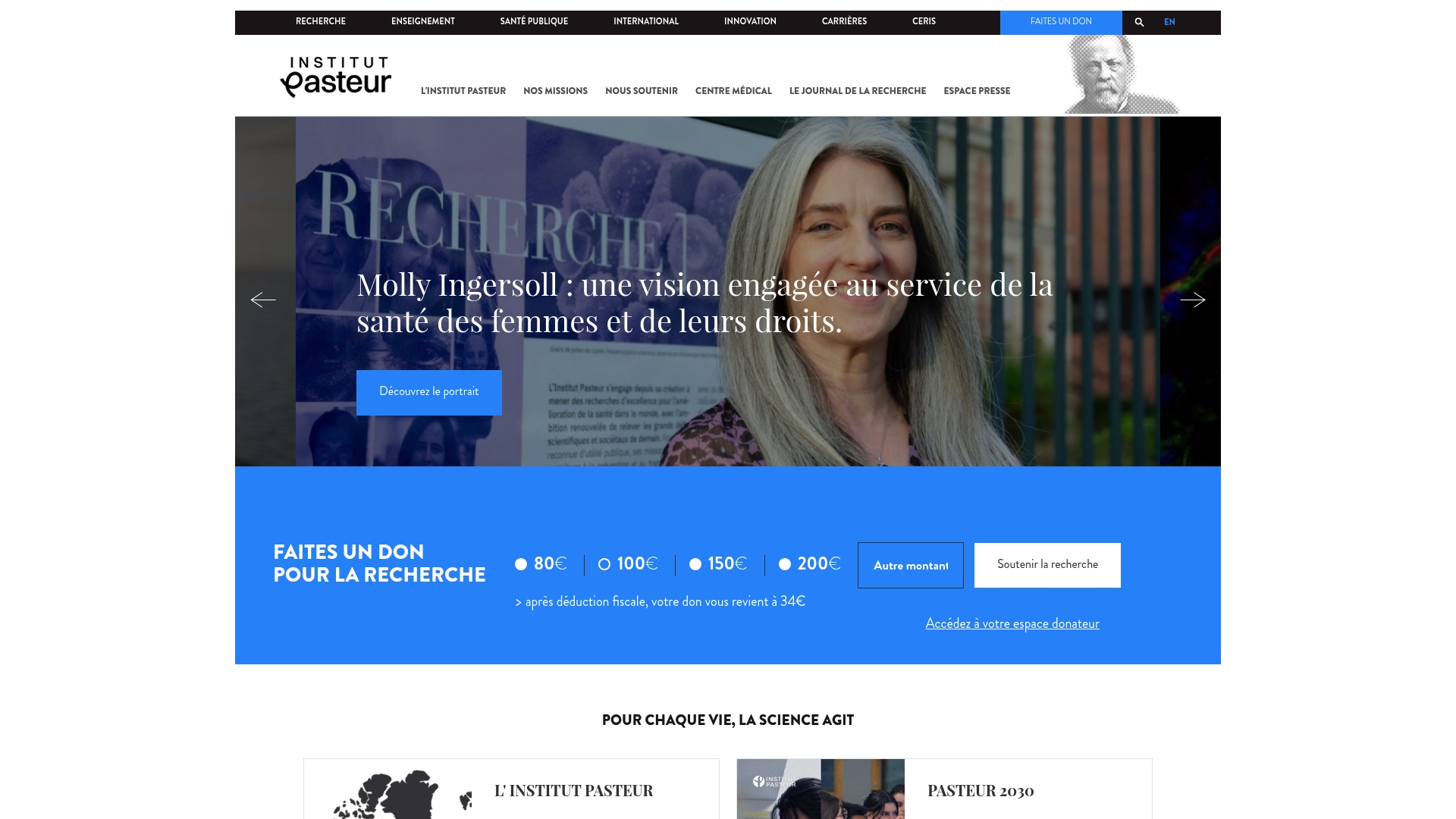
Institut Pasteur is a world renowned biomedical research centre focused on infectious diseases public health training and innovation. It serves researchers students health professionals and institutional partners rather than functioning as a commercial web service.
Core Features
Institut Pasteur combines biomedical research, a training centre, a medical centre, and active innovation initiatives to translate science into public health action. The organisation runs research programmes training modules clinical consultations vaccinations and technology transfer projects across multiple sites.
Pros
- World class reputation: Institut Pasteur holds a global reputation in biomedical research which attracts top researchers and funding.
- Comprehensive mission: The institute covers research teaching public health and clinical services providing multiple pathways to impact.
- International presence: Institutes and partnerships in several countries extend collaboration opportunities beyond France.
- Public health commitment: The organisation is actively engaged in fighting infectious diseases and supporting vaccination campaigns.
- Public support options: Individuals and organisations can support research through donations partnerships and collaborative programmes.
Cons
- France centred operations: The site and core infrastructure are primarily based in France which limits direct commercial service access for overseas businesses.
- Not a commercial product: The institute focuses on research and public health so it does not offer a packaged commercial product for business automation or managed web services.
- No direct online product sales: There are no consumer products to purchase online which reduces applicability for organisations seeking off the shelf tools.
Who It's For
Institut Pasteur suits researchers health professionals students and institutional partners looking for high calibre collaboration training or clinical expertise. Donors and foundations seeking to fund infectious disease research will also find relevant avenues for engagement.
Unique Value Proposition
Institut Pasteur offers a rare concentration of academic research clinical practice and technology transfer under one organisation. That combination enables long term collaborative projects that move discoveries from bench to public health interventions.
Real World Use Case
A national public health agency partners with Institut Pasteur to design and evaluate a vaccination campaign. Researchers provide epidemiological analysis training units deliver capacity building and the medical centre supports clinical rollout and monitoring.
Pricing
Medical services follow local pricing structures and fees vary by service and location. Financial support and donations start at variable amounts depending on campaign or research partnership requirements.
Website: https://pasteur.fr
Inria
At a Glance
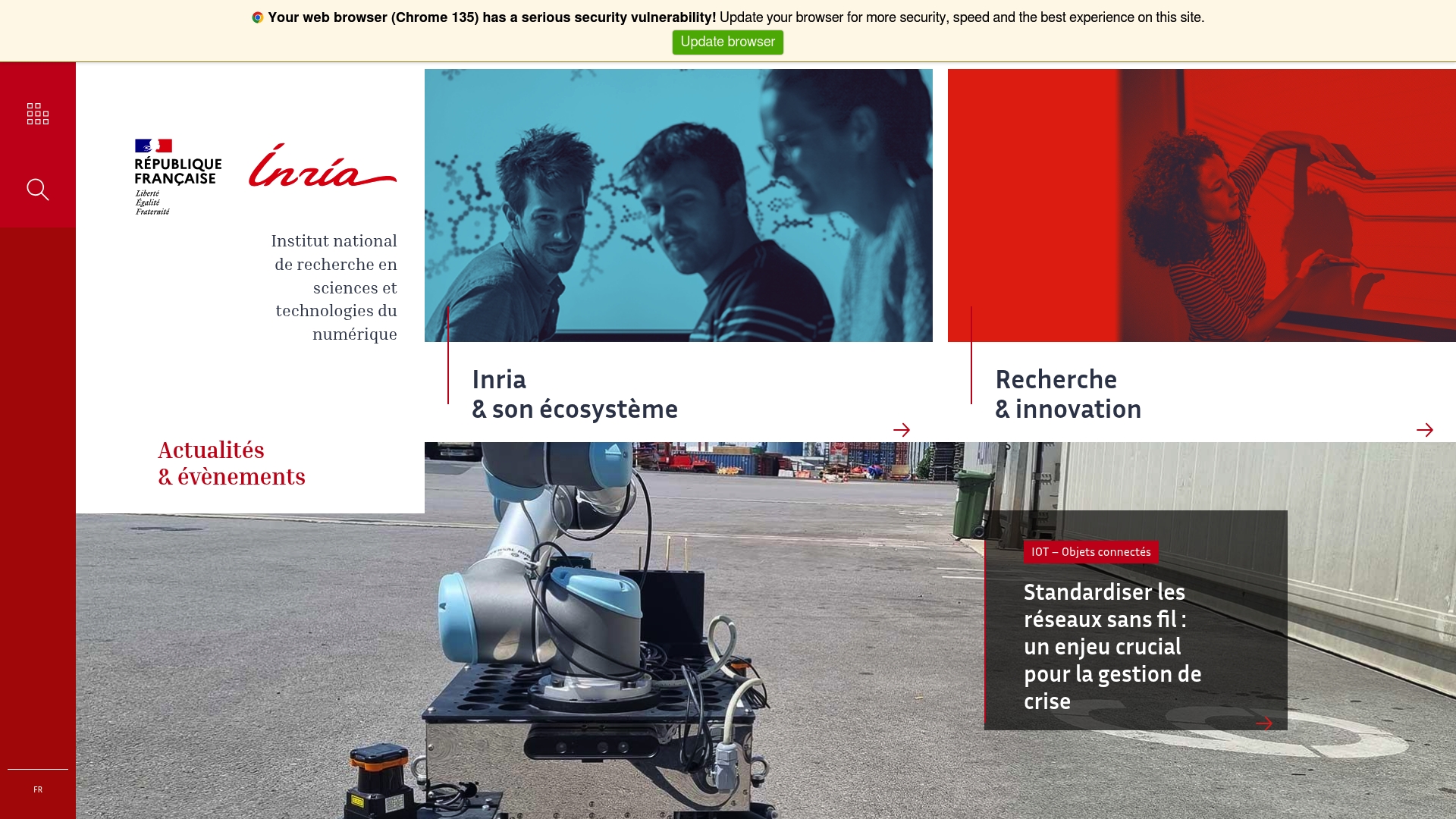
Inria is France’s national research institute for digital sciences that combines deep academic expertise with industry collaboration. Its site and resources serve researchers and partners exceptionally well while offering limited direct commercial products for small businesses.
Core Features
Inria centres on research and innovation in digital sciences and technology with extensive academic and industrial partnerships. The organisation offers a startup support pathway, an online library of publications, and programmes designed to develop talent in numerical research.
Pros
-
Strong scientific reputation: Inria has a well established position in academic and industrial research that lends credibility to any partner or collaborator.
-
Extensive partner network: The institute maintains academic, industrial and European collaborations that accelerate project development and access to specialised expertise.
-
Commitment to open science: A large portion of publications and resources are shared openly, helping teams leverage published methods and datasets.
-
High societal and industrial impact: Projects often target real world problems and lead to technology transfers that benefit industry and public services.
-
Abundant accessible resources: The website hosts a wide range of papers, reports and educational material useful for technical teams and researchers.
Cons
-
The site is primarily informational and does not offer commercial tools or off the shelf products that a small business could purchase and deploy immediately.
-
The institutional focus is highly academic which limits services tailored for end customers or everyday business operations.
-
Some resources are not directly accessible to the general public which can make practical adoption slower for non academic teams.
Who It's For
Inria is best suited to researchers, graduate students, industrial R&D teams, startups seeking technical partnerships, and public institutions looking for advanced digital science collaboration. Small and mid sized businesses interested in research partnerships or long term technology transfer will find value here.
Unique Value Proposition
Inria pairs decades of scientific expertise with active industry engagement and a commitment to open dissemination. That combination makes it a reliable partner for developing foundational technologies and for organisations that need deep technical validation rather than a packaged commercial solution.
Real World Use Case
A technology company partners with Inria to co develop an artificial intelligence prototype. The company draws on Inria publications for algorithms and leverages joint research teams to move from proof of concept to a deployable prototype with academic validation.
Pricing
N/A. Inria operates as a public research organisation and does not sell standard commercial products. Collaborative projects and partnerships follow negotiated agreements that vary by scope.
Website: https://inria.fr
IRD (Institut de Recherche pour le Développement)
At a Glance
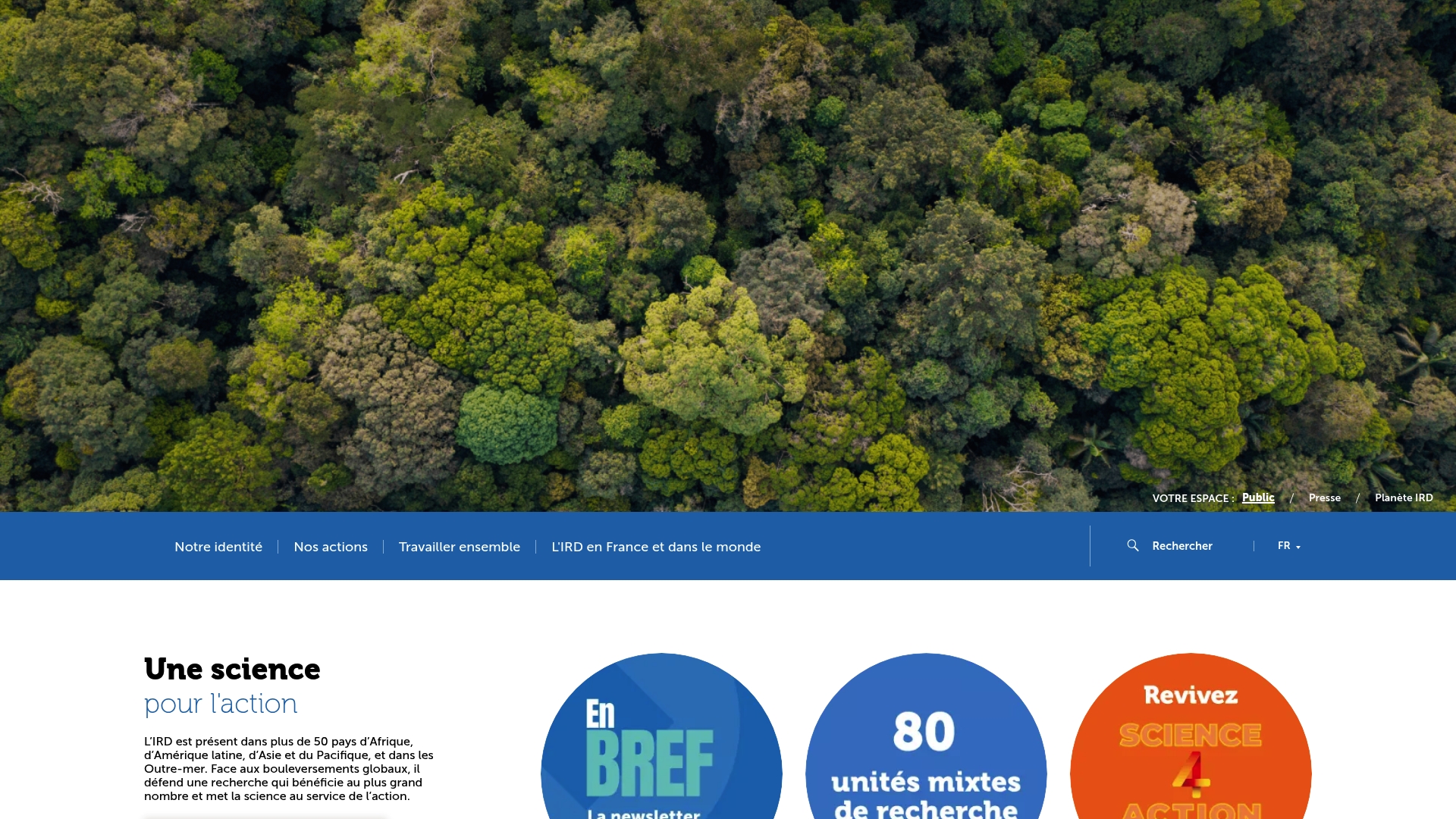
IRD brings global presence and deep expertise in sustainability and public health research across more than 50 countries. The organisation focuses on applied science for vulnerable regions and mixes field projects with digital resources to spread knowledge.
Core Features
IRD conducts multidisciplinary scientific research, builds international partnerships, and runs programmes to strengthen local research capacities. It also uses multimedia and digital platforms to share findings and engage wider audiences.
- Research scientific in sustainability and global health across multiple disciplines.
- Presence in more than 50 countries with regional focus on Africa, Latin America, Asia and the Pacific.
- Partnerships scientific for collaborative research and development with local and international actors.
- Actions to strengthen local capacities and promote science for all audiences.
- Use of multimedia and digital platforms to disseminate knowledge and results.
Actionable takeaway: Use IRD when you need rigorous, regionally grounded research rather than an off the shelf software solution.
Pros
- Extensive geographic reach: IRD operates in over 50 countries, which gives projects local legitimacy and longer term field access.
- Multidisciplinary approach: The organisation brings together health, environment, climate and biodiversity expertise in coordinated programmes.
- Commitment to applied science: Research is designed to inform public action and policy in regions facing urgent challenges.
- Strong partnership network: Collaboration with universities, public institutions and local organisations amplifies impact and knowledge exchange.
- Digital dissemination tools: Use of multimedia and online platforms helps make findings accessible to non specialist audiences.
Cons
- The website is primarily informational and does not present commercial products or turnkey digital tools for businesses seeking immediate operational solutions.
- Services and resources appear oriented toward research and public awareness rather than direct commercial use by small businesses.
- There is limited information about technology solutions or off the shelf products that a company could purchase and deploy quickly.
Actionable takeaway: Expect research outputs and collaboration opportunities rather than packaged services for rapid implementation.
Who It's For
IRD suits researchers, students, government bodies and research institutions focused on sustainability, global health and international development. Organisations seeking long term collaborations, evidence based policy input or capacity building in developing regions will find IRD a strong partner.
Unique Value Proposition
IRD pairs field rooted research with a global network to produce science that informs action. Its value lies in combining regional presence with multidisciplinary teams to deliver context sensitive evidence rather than generic recommendations.
Real World Use Case
A university partners with IRD and local organisations to run an applied research project on malaria resilience. IRD coordinates field teams, shares data platforms and delivers training workshops to build local research capacity and policy briefs for decision makers.
Pricing
Non applicable. IRD operates as an institutional research body focused on knowledge generation and sharing rather than commercial pricing plans.
Website: https://ird.fr
Comparison of Research and Innovation Platforms
Below is a comparative table detailing the features, focus areas, and offerings of various research and innovation platforms to assist users in identifying the right resource for their needs.
| Platform Name | Primary Focus | Key Features | Suitable For | Pricing and Access |
|---|---|---|---|---|
| HumanOS | AI Automation for Small/Medium Businesses | Guided onboarding for AI agents, Industry-specific presets, Multiple integrations, Efficiency-focused | Small and mid-sized business owners | Free intro options; Value assessment and demo required |
| CNRS | Multidisciplinary Public Research | Broad disciplinary coverage, International cooperation, Public engagement through multimedia | Researchers, educational institutions, industries | No commercial pricing; Publicly funded |
| CEA | Low Carbon Energy and Technological Research | Advanced research facilities, Nuclear and renewable focus, Industrial partnerships | Research institutions, industries, policymakers | Funding and partnership-based model |
| Inserm | Biomedical Research | Science communication, participatory research initiatives, Educational outreach | Health professionals, researchers, students | Free access to resources; Dependent on institutional cooperation |
| INRAE | Agriculture, Food, and Environmental Science | Cross-disciplinary research, Open-sharing of data, Agricultural sustainability initiatives | Researchers, educational institutions, policymakers | No pricing; Offers research and public education |
| Institut Pasteur | Infectious Disease Research | Public health innovation, Training, Global partnerships | Researchers, healthcare professionals | Services priced by medical requirements; Open for collaborations |
| Inria | Digital Science and Technology | Research and industrial innovation in technology and AI potentials | R&D teams, academic and industrial collaborators | Public research organization; No off-the-shelf commercial services |
| IRD | Sustainability and Public Health | Multidisciplinary global research, Partnerships in developing regions, Multilingual informational resources | Academics, policymakers, NGOs | Public organization; Collaborative and project-based model |
Discover Practical AI Solutions Beyond CNRS for Your Business Efficiency
The article "Top 8 cnrs.fr Alternatives 2026" highlights key challenges like complex site navigation, language barriers, and lack of turnkey digital tools for small and mid-sized businesses seeking research partnerships or operational solutions. If you want to move beyond research access and focus on automating routine operations while enhancing your digital presence, HumanOS offers a proven platform tailored for growing businesses.
HumanOS combines a self-guided AI agent suite that boosts productivity by automating email management, scheduling, data analysis and more with managed web services that build and maintain websites optimized for SEO and conversion. This hands-on automation approach delivers measurable 30-50% profitability gains without complicated onboarding or high agency fees.
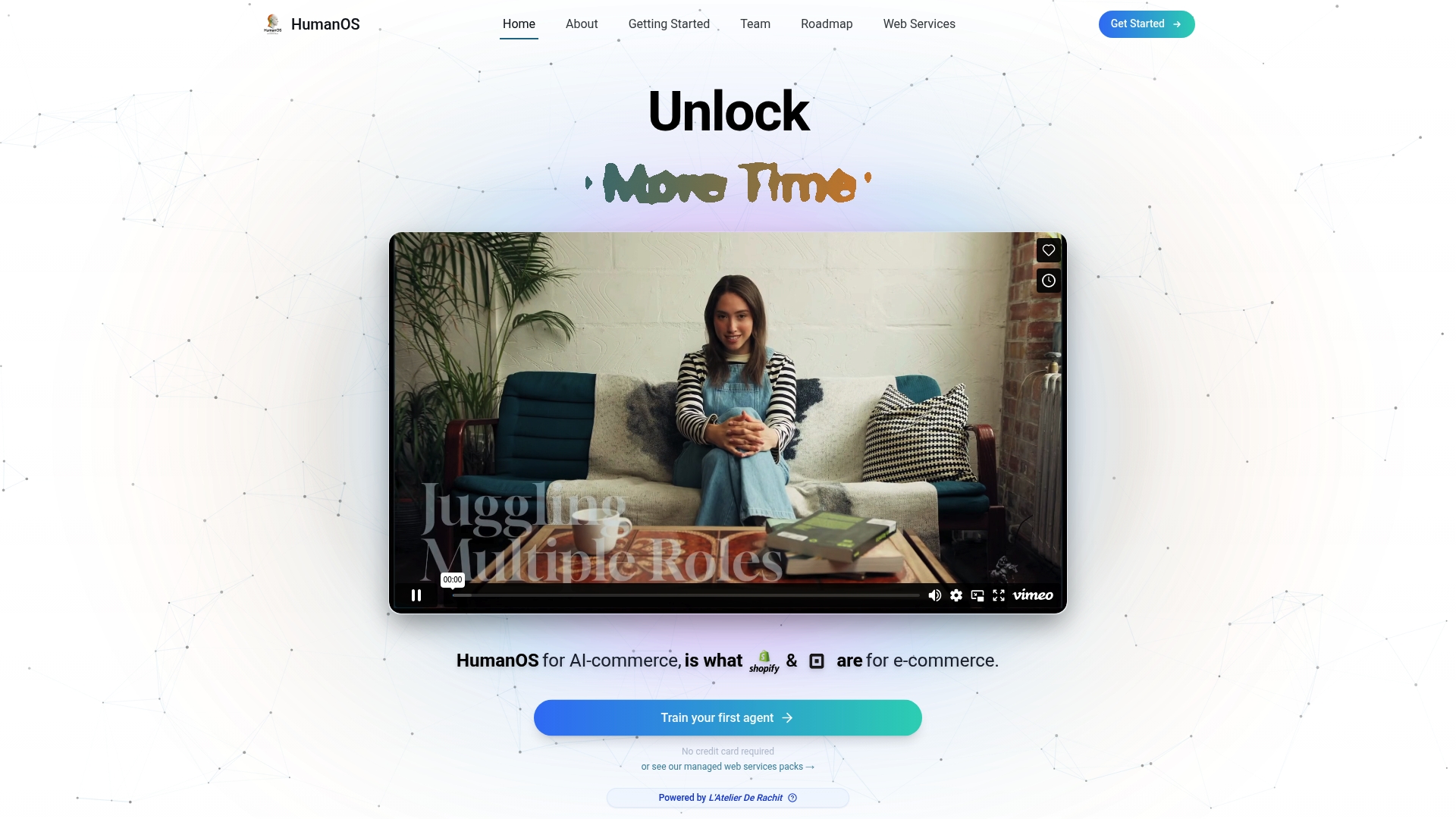
Stop struggling with fragmented tools and unclear integration. Visit HumanOS now to experience a free trial and see how practical automation can elevate your operations. If you are ready to transform your digital infrastructure with easy AI deployment and expert-managed web services, start today at https://1humanos.com.
Frequently Asked Questions
What are the top alternatives to cnrs.fr for accessing scientific research?
Utilize platforms that provide diverse research resources in various scientific fields, similar to cnrs.fr. Consider alternatives focused on collaborative research, data sharing, and comprehensive science communication.
How can I compare the features of cnrs.fr alternatives?
Evaluate each alternative based on criteria like research accessibility, multimedia resources, and international collaboration opportunities. Create a comparison table to visually summarise key features and functionalities.
What specific types of resources should I look for in cnrs.fr alternatives?
Seek out alternatives that offer scientific publications, educational materials, and access to multimedia content. Prioritise platforms that facilitate public engagement and support participatory research efforts.
How can I ensure an alternative to cnrs.fr is trustworthy?
Verify the reputation of the alternative by reviewing author credentials, institutional backing, and user feedback. Perform a detailed assessment of their publications' quality and alignment with current scientific standards.
Are there any free alternatives to cnrs.fr?
Yes, several alternatives provide free access to research materials and educational resources without subscription fees. Check the licensing agreements to confirm that resources are openly available for public use.
How do I find collaboration opportunities with alternatives to cnrs.fr?
Identify platforms that encourage partnerships and cooperative research initiatives by browsing their networking sections. Directly reach out through provided contact forms or partnership inquiries to discuss potential collaborations.